Shipment Visibility in Sea Freight: Why It Matters
Learn why shipment visibility matters in modern sea freight and how better planning, monitoring and communication support reliable cargo movement.
In modern sea freight, shipment visibility is no longer a useful extra. It is a practical requirement for importers, exporters, procurement teams and logistics managers who need to plan around cargo movement, operational timelines and possible exceptions. When businesses understand where their cargo is, what stage the shipment has reached and what actions may be needed next, they can make better decisions across inventory, production, customer service and cash flow.
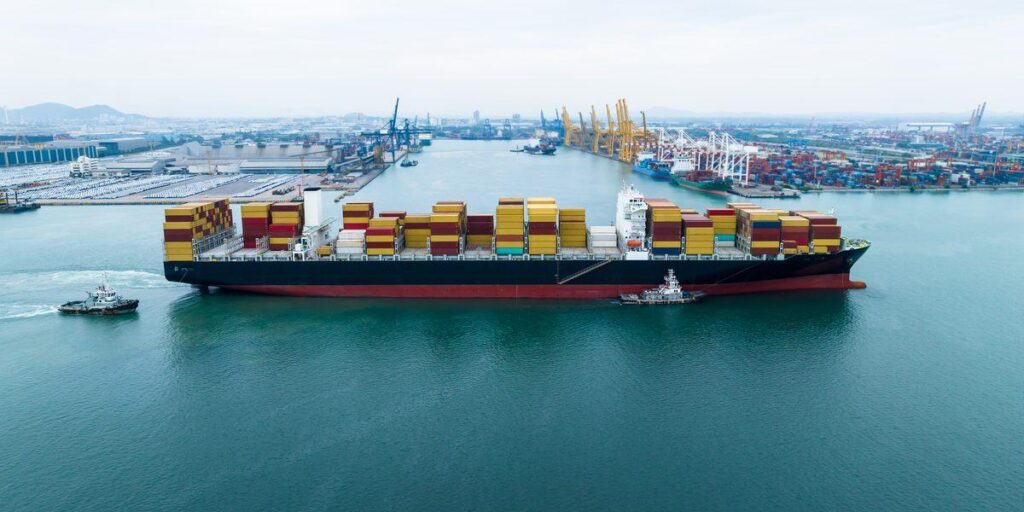
For companies moving containerised shipping across Asia, the Middle East, Africa and the Indian Subcontinent, visibility depends on more than a tracking number. It requires freight planning, carrier coordination, document control, customer communication and responsive follow-up when port, vessel or inland transport conditions change.
Table of Contents
Key Takeaways
- Shipment visibility helps businesses plan around cargo movement, documentation milestones and operational changes.
- Good visibility relies on carrier updates, port information, internal coordination and clear customer communication.
- FCL, LCL and cargo consolidation shipments each require different monitoring and communication workflows.
- Visibility does not guarantee fixed arrival dates, but it supports faster decisions when changes occur.
- A Dubai-based liner and logistics provider with regional trade knowledge can help coordinate cargo across complex routes.
What Shipment Visibility Means in Sea Freight
Shipment visibility is the ability to monitor and communicate the progress of cargo from planning and booking through to final delivery coordination. In sea freight, this can include booking status, container loading, vessel departure, transhipment updates, estimated arrival, document readiness, customs-related milestones and inland transportation arrangements.
For many businesses, visibility is most valuable when it connects operational information with practical action. A shipment update is useful, but a clear explanation of what it means for delivery planning, warehouse preparation or customer communication is even more valuable. This is where structured freight and logistics services can make a measurable operational difference.
Shipment visibility is not about promising that every route will run without disruption. It is about giving customers the information and coordination they need to respond with confidence when cargo is moving through real-world shipping networks.
Why Shipment Visibility Matters in Sea Freight
Sea freight involves multiple parties: shipping lines, port operators, terminals, customs authorities, inland transport providers, warehouses, consignees and documentation teams. A delay or missing update at one point can affect the next stage of the supply chain. Better shipment visibility helps reduce uncertainty and supports more reliable cargo movement.
1. Better planning for inventory and operations
Importers and distributors often plan sales, production, warehouse space and customer commitments around expected cargo arrival. When they receive timely updates on vessel movement, container status or schedule changes, they can adjust stock allocation and operational resources. This is especially important for businesses moving high-volume FCL cargo or frequent LCL shipments across regional trade corridors.
2. Earlier response to exceptions
Exceptions can include vessel schedule changes, port congestion, transhipment adjustments, documentation queries, container availability issues or inland transportation constraints. Visibility helps identify these matters earlier, allowing operations teams to coordinate alternatives, update stakeholders and reduce last-minute pressure. It does not remove every risk, but it improves response time.
3. Stronger customer communication
For freight forwarders, trading companies and manufacturers, communication quality affects customer confidence. A consignee may not need every operational detail, but they do need clear and timely updates. Proactive shipment monitoring supports more accurate conversations about cargo status, expected next steps and documents required for release or onward movement.
Industry organisations such as the International Maritime Organization and the World Shipping Council highlight the global nature of maritime and container shipping. In such networks, coordination and information flow are essential to effective logistics management.
Visibility Across FCL, LCL and Consolidated Cargo
Visibility needs vary depending on the shipment type. A full container load, a less-than-container load and a consolidated cargo movement each have different operational points to monitor.
FCL cargo visibility
For FCL shipments, the focus is usually on container booking, container release, gate-in, loading, vessel departure, transhipment if applicable, arrival, discharge and final delivery. Customers moving FCL cargo benefit from clear coordination between the liner service provider, carrier and inland transport partners. Y Liner supports this through sea cargo services and liner services designed for regional and international trade routes.
LCL and cargo consolidation visibility
LCL shipments require additional attention because cargo may move through consolidation warehouses and deconsolidation points. Visibility includes cargo receipt, consolidation planning, container loading, sailing updates, arrival, devanning and onward delivery coordination. For smaller and mid-sized shipments, clear communication is important because multiple consignments may be moving within the same container.
Where cargo consolidation, warehousing support or multimodal logistics is involved, visibility must extend beyond the vessel schedule. It should also cover inland transportation, warehouse handover and final delivery planning through logistics and transportation support.
Practical Ways to Improve Shipment Visibility
Improving visibility is not only a technology exercise. It also requires disciplined processes, accurate documentation and clear responsibility between all parties involved in the shipment.
Confirm shipment information early
Before booking, confirm cargo description, weight, dimensions, packing type, origin, destination, preferred routing, Incoterms, documentation needs and any handling requirements. Incorrect or incomplete information can delay bookings, documentation and cargo release.
Set communication milestones
Customers should know when to expect updates. Common milestones include booking confirmation, cargo receipt, container loading, vessel departure, transhipment, estimated arrival, document readiness, customs-related steps and delivery coordination. These milestones help businesses plan without needing to chase every update manually.
Coordinate documents and operational data
Shipment visibility is stronger when operational updates are connected to documentation. Bill of lading support, invoice details, packing lists, cargo descriptions and consignee information should be checked carefully. For UAE-related cargo movements, official authorities such as the Federal Authority for Identity, Citizenship, Customs and Port Security provide useful context on customs and border processes, although specific requirements depend on cargo type, route and destination regulations.
Work with a responsive logistics partner
A provider with regional experience can help interpret carrier updates and coordinate practical next steps. As a Dubai-based liner and logistics provider, Y Liner supports customers across Asia, the Middle East and Africa trade routes with freight planning, cargo tracking, carrier coordination, inland transportation, warehousing support and end-to-end shipment coordination. Customers can also review Y Liner’s regional coverage to understand supported trade corridors.
How Y Liner Supports Shipment Visibility
Y Liner’s Customer Service and Operations teams focus on proactive coordination across the shipment journey. This includes planning cargo movement, monitoring updates from carriers and logistics partners, supporting bill of lading processes, coordinating FCL and LCL movements and communicating practical updates to customers.
The goal is to help customers make better operational decisions, not to overpromise fixed outcomes. Sea freight remains dependent on carrier schedules, port conditions, route operations, customs processes and destination requirements. However, responsive communication and structured freight management can reduce confusion and improve control across the supply chain.
FAQ: Shipment Visibility in Sea Freight
What is shipment visibility in sea freight?
Shipment visibility in sea freight means having access to practical updates about cargo movement, including booking status, vessel departure, transhipment, arrival estimates, document readiness and delivery coordination. It helps businesses plan around operational timelines.
Does shipment visibility guarantee an exact arrival date?
No. Visibility improves planning and communication, but it does not guarantee an exact arrival date. Shipping timelines depend on carrier schedules, port conditions, weather, customs requirements, route operations and destination regulations.
Why is cargo tracking important for importers and exporters?
Cargo tracking helps importers and exporters manage inventory, production schedules, warehouse capacity, customer updates and cash flow. It also allows teams to respond earlier if an exception affects the shipment.
How does visibility differ between FCL and LCL cargo?
FCL visibility usually focuses on the container and vessel journey. LCL visibility also includes consolidation, warehouse handling, container loading, deconsolidation and onward delivery coordination because multiple cargo owners may share the same container.
Can Y Liner help with shipment planning and customer communication?
Yes. Y Liner supports shipment planning, monitoring, carrier coordination, cargo tracking, bill of lading support and customer communication across key regional trade routes. Service availability depends on cargo details, routing and operational conditions.
Plan Your Next Shipment with Better Visibility
If your business moves cargo across Asia, the Middle East, Africa or the Indian Subcontinent, stronger shipment visibility can support better planning and smoother communication. Speak with Y Liner about freight management, containerised shipping, FCL and LCL cargo, cargo consolidation, multimodal logistics and door-to-door delivery coordination.
Contact our team to discuss your shipment requirements and receive practical guidance for your next cargo movement.
Suggested Videos To Embed
- Suggested video: Search YouTube for “”. Placement: Relevant section.
- Suggested video: Search YouTube for “”. Placement: Relevant section.
- Suggested video: Search YouTube for “”. Placement: Relevant section.
{"@context":"https://schema.org","@type":"Article","headline":"Shipment Visibility in Sea Freight: Why It Matters","description":"Learn why shipment visibility matters in modern sea freight and how better planning, monitoring and communication support reliable cargo movement.","author":{"@type":"Organization","name":"Y Liner"},"publisher":{"@type":"Organization","name":"Y Liner"},"mainEntityOfPage":{"@type":"WebPage","@id":"https://www.yliner.com/why-shipment-visibility-matters-sea-freight"},"articleSection":"Freight Management","keywords":["shipment visibility","sea freight visibility","cargo tracking","freight management","shipment planning","FCL and LCL cargo"]}
FAQ
Helpful answers for planning, tracking and managing your shipment.
What is shipment visibility in sea freight?
Shipment visibility in sea freight means having access to practical updates about cargo movement, including booking status, vessel departure, transhipment, arrival estimates, document readiness and delivery coordination.
Does shipment visibility guarantee an exact arrival date?
No. Visibility improves planning and communication, but it does not guarantee an exact arrival date. Shipping timelines depend on carrier schedules, port conditions, weather, customs requirements, route operations and destination regulations.
Why is cargo tracking important for importers and exporters?
Cargo tracking helps importers and exporters manage inventory, production schedules, warehouse capacity, customer updates and cash flow. It also allows teams to respond earlier if an exception affects the shipment.
How does visibility differ between FCL and LCL cargo?
FCL visibility usually focuses on the container and vessel journey. LCL visibility also includes consolidation, warehouse handling, container loading, deconsolidation and onward delivery coordination.
Can Y Liner help with shipment planning and customer communication?
Yes. Y Liner supports shipment planning, monitoring, carrier coordination, cargo tracking, bill of lading support and customer communication across key regional trade routes. Service availability depends on cargo details, routing and operational conditions.